
Understanding Food Forensic Analysis in Europe: Key Regulations and Procedures
Introduction to Food Forensic Analysis
In recent years, the integrity and safety of food products have become increasingly significant. Food forensic analysis plays a vital role in ensuring compliance with safety standards and regulations in Europe. This scientific field involves various methods to detect fraud, contamination, and other discrepancies in food products.
Key Regulations Governing Food Analysis in Europe
Europe has stringent regulations to safeguard consumers and maintain trust in the food industry. The European Food Safety Authority (EFSA) is at the forefront, setting guidelines and providing scientific advice to ensure food safety. Regulations such as the General Food Law Regulation (EC) No 178/2002 lay down the principles for food safety in the EU.
The Food Information to Consumers Regulation (EU) No 1169/2011 is another critical regulation, mandating clear labeling and information for consumers. These regulations help in maintaining transparency and accountability within the food supply chain.
Procedures in Food Forensic Analysis
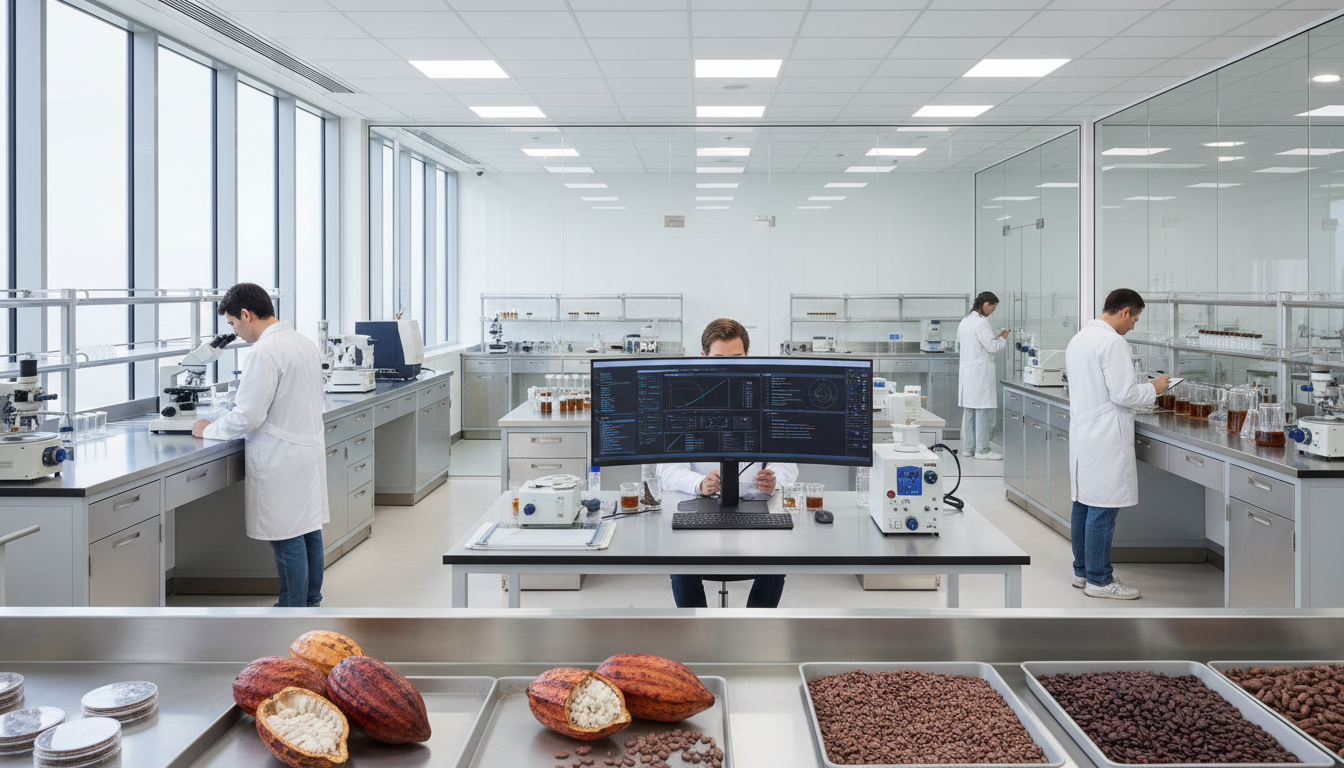
Food forensic analysis employs a variety of techniques to assess food quality and authenticity. Methods such as chromatography, mass spectrometry, and DNA analysis are commonly used to detect adulteration and contamination. These techniques allow for precise identification of fraudulent activities.

Sampling and Testing
Sampling is the initial step in food forensic analysis. Proper sampling procedures ensure that the analysis results are accurate and reliable. Laboratories follow standardized methods to collect samples, ensuring that they represent the entire batch or product line.
Once samples are collected, they undergo rigorous testing. Advanced analytical techniques are applied to identify any discrepancies or violations of regulatory standards. These tests can reveal the presence of unauthorized additives, mislabeling, or contamination.
Challenges and Innovations
Despite the advancements in food forensic analysis, challenges remain. The complexity of food matrices and the emergence of new contaminants require continuous innovation. The integration of new technologies, such as artificial intelligence and blockchain, is enhancing the traceability and accuracy of food analysis.

Future Directions
Future trends in food forensic analysis focus on enhancing accuracy and reducing analysis time. The development of portable testing devices and real-time monitoring systems is set to revolutionize the industry. These advancements will enable quicker response times to potential food safety threats.
Moreover, international collaboration and harmonization of standards are crucial for tackling global food safety challenges. By sharing knowledge and resources, countries can enhance their food safety systems and promote consumer confidence globally.
Conclusion
Understanding food forensic analysis is essential for maintaining the integrity of the food supply in Europe. With robust regulations and advanced procedures, the industry is well-equipped to tackle food safety challenges. As technology continues to evolve, the future of food forensic analysis looks promising, ensuring that consumers can trust the food they consume.