Key EU Food and Feed Regulations Every Consultant Should Know
Understanding EU Food and Feed Regulations
The European Union (EU) has established comprehensive regulations to ensure the safety and quality of food and feed products within its member states. These regulations are crucial for consultants guiding businesses in navigating the complex landscape of food safety and compliance. Understanding these regulations can help consultants offer invaluable insights and strategies to their clients.

General Food Law Regulation (EC) No 178/2002
The cornerstone of EU food and feed law is the General Food Law Regulation (EC) No 178/2002. It lays down the principles of food safety, including the right to trace food and feed from production to consumption. This regulation establishes the European Food Safety Authority (EFSA), which provides scientific advice and communicates risks associated with the food chain. Consultants should emphasize the importance of traceability and swift response mechanisms in case of health risks.
Regulation on Food Additives (EC) No 1333/2008
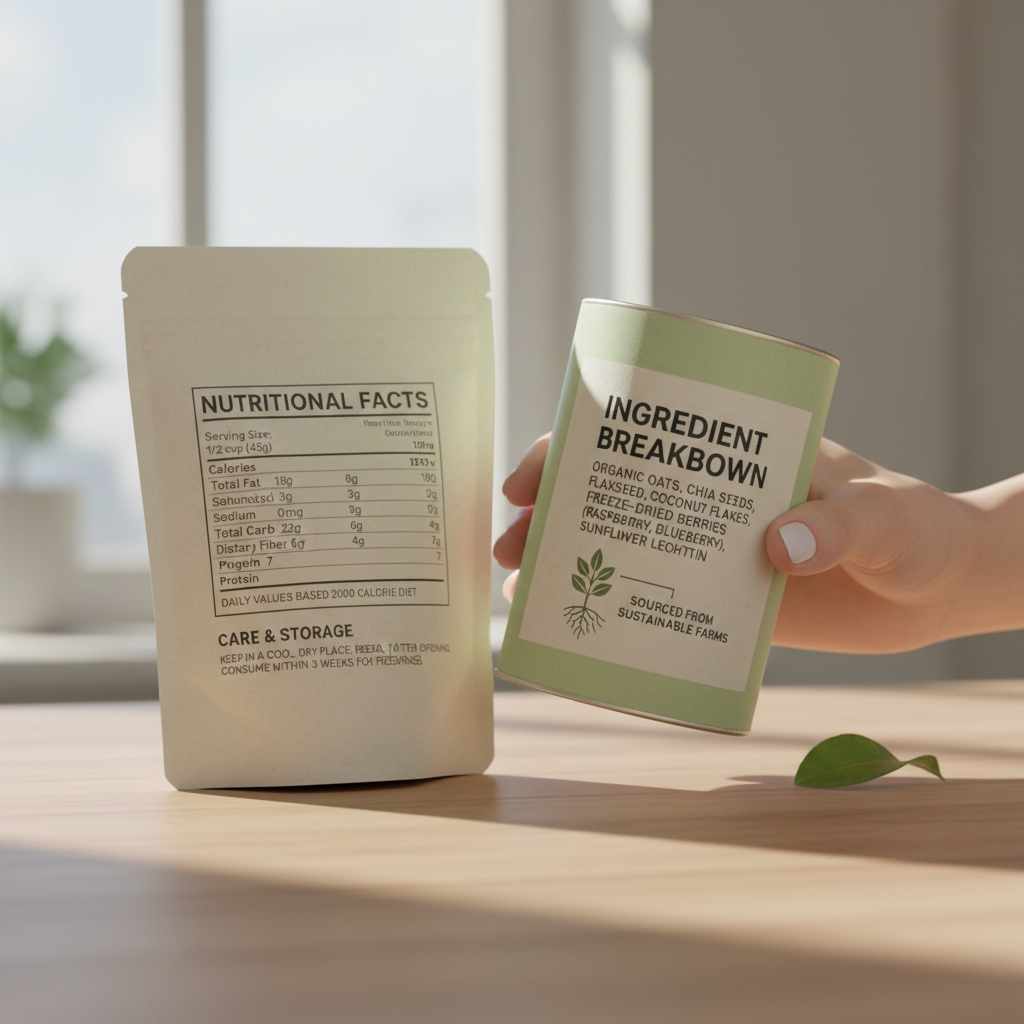
Food additives are substances added to food to preserve flavor or enhance its taste and appearance. Regulation (EC) No 1333/2008 governs the use of additives in the EU, ensuring they are safe for consumption and properly labeled. Consultants must guide businesses through the approved list of additives and ensure compliance with labeling requirements to prevent legal issues.
Regulation on Novel Foods (EU) 2015/2283
The Novel Foods Regulation (EU) 2015/2283 addresses foods that have not been widely consumed in the EU before May 1997. This includes innovative food products, foods produced using new technologies, and those from outside the EU. Consultants must assist clients in navigating the authorization process, which involves a rigorous safety assessment by the EFSA.
Animal Feed Regulations
Animal feed regulations are equally critical, as they influence the safety of food products derived from animals. The EU has strict guidelines to ensure that feed is safe, wholesome, and doesn't pose any threat to human or animal health.
Regulation on Feed Hygiene (EC) No 183/2005
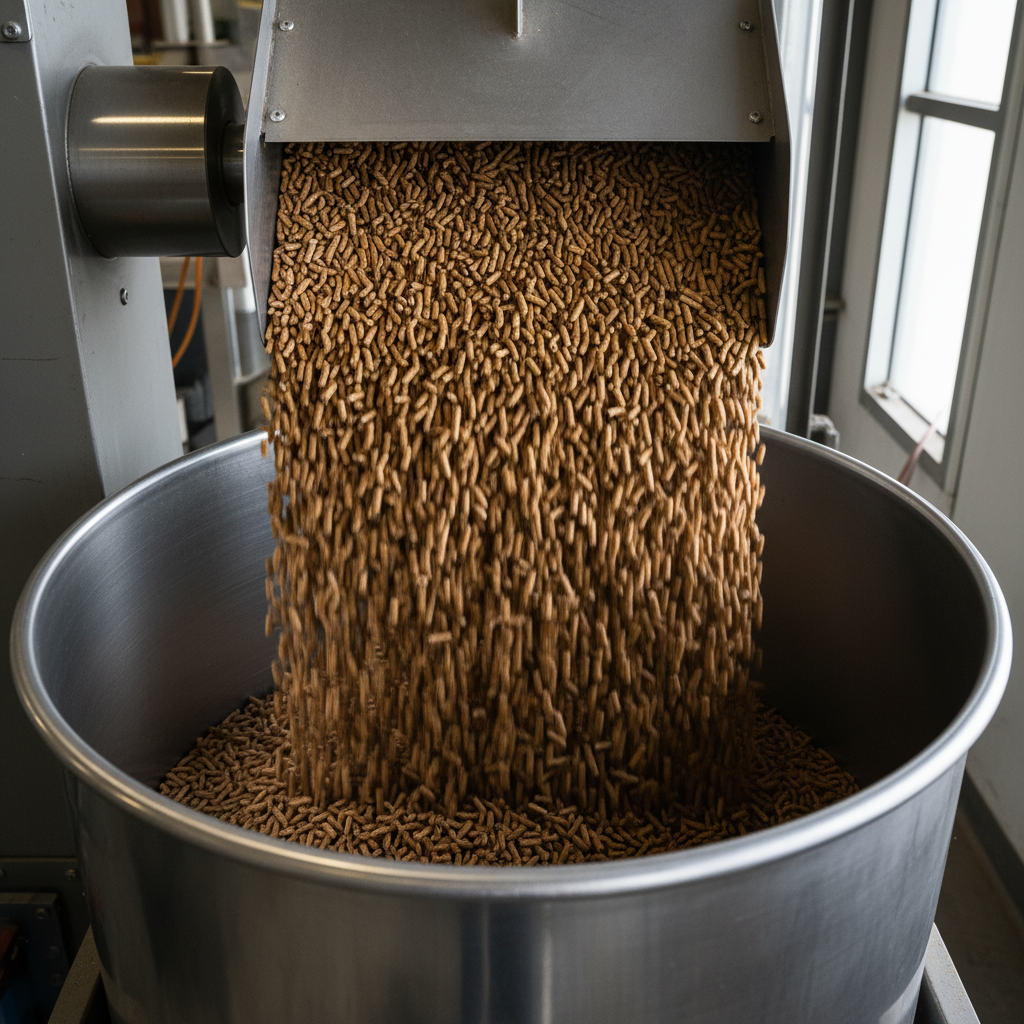
The Feed Hygiene Regulation (EC) No 183/2005 establishes conditions and requirements to ensure feed safety. It mandates the registration and approval of feed businesses, necessitating consultants to help businesses comply with hygiene standards, maintain records, and implement hazard analysis and critical control points (HACCP) systems.
Regulation on Genetically Modified Feed (EC) No 1829/2003
This regulation governs the use of genetically modified organisms (GMOs) in feed. It ensures that GMOs undergo a thorough safety assessment before being approved for use. Consultants should support businesses in understanding GMO labeling requirements and in conducting risk assessments to comply with this regulation.
Conclusion
Navigating EU food and feed regulations requires a deep understanding of various rules and their implications for businesses. Consultants play a pivotal role in guiding businesses through compliance, ensuring safety, and maintaining consumer trust. Staying informed about these regulations not only helps in compliance but also provides a competitive edge in the market.