
The Ultimate Guide to Food Safety Expertise in São Paulo 2
Understanding Food Safety in São Paulo
Food safety is a critical concern in São Paulo, a city renowned for its vibrant culinary scene. Ensuring that food is safe to consume involves a comprehensive approach, from sourcing ingredients to serving the final dish. In this guide, we'll explore the key elements of food safety expertise in São Paulo, providing you with essential knowledge to navigate this vital aspect of the food industry.
The Importance of Food Hygiene
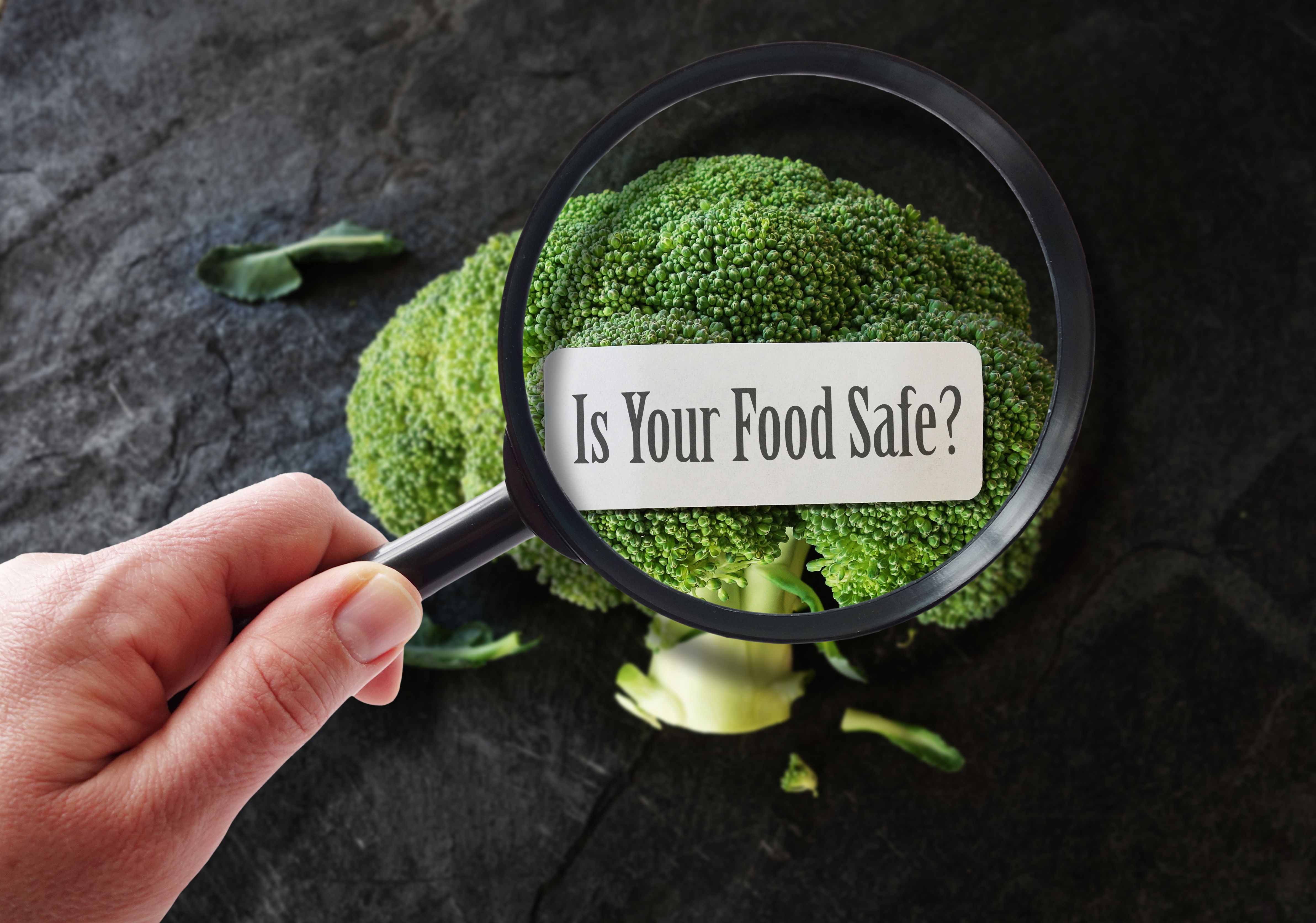
Food hygiene is at the core of food safety. It involves practices that prevent foodborne illnesses and ensure the health of consumers. In São Paulo, stringent regulations are in place to uphold these standards, helping protect both locals and tourists. Proper food handling, storage, and preparation are crucial components of maintaining high levels of hygiene.
Restaurants and food vendors must adhere to these regulations to operate safely. Regular inspections by health authorities ensure compliance, and violations can lead to severe penalties. This vigilance helps maintain the trust of consumers and the reputation of the food industry in São Paulo.
Essential Training for Food Handlers
Training is a pivotal aspect of achieving food safety expertise. Food handlers in São Paulo are required to undergo specialized training programs to understand the principles of hygiene and safety. These programs cover a range of topics, from personal hygiene to cross-contamination prevention.
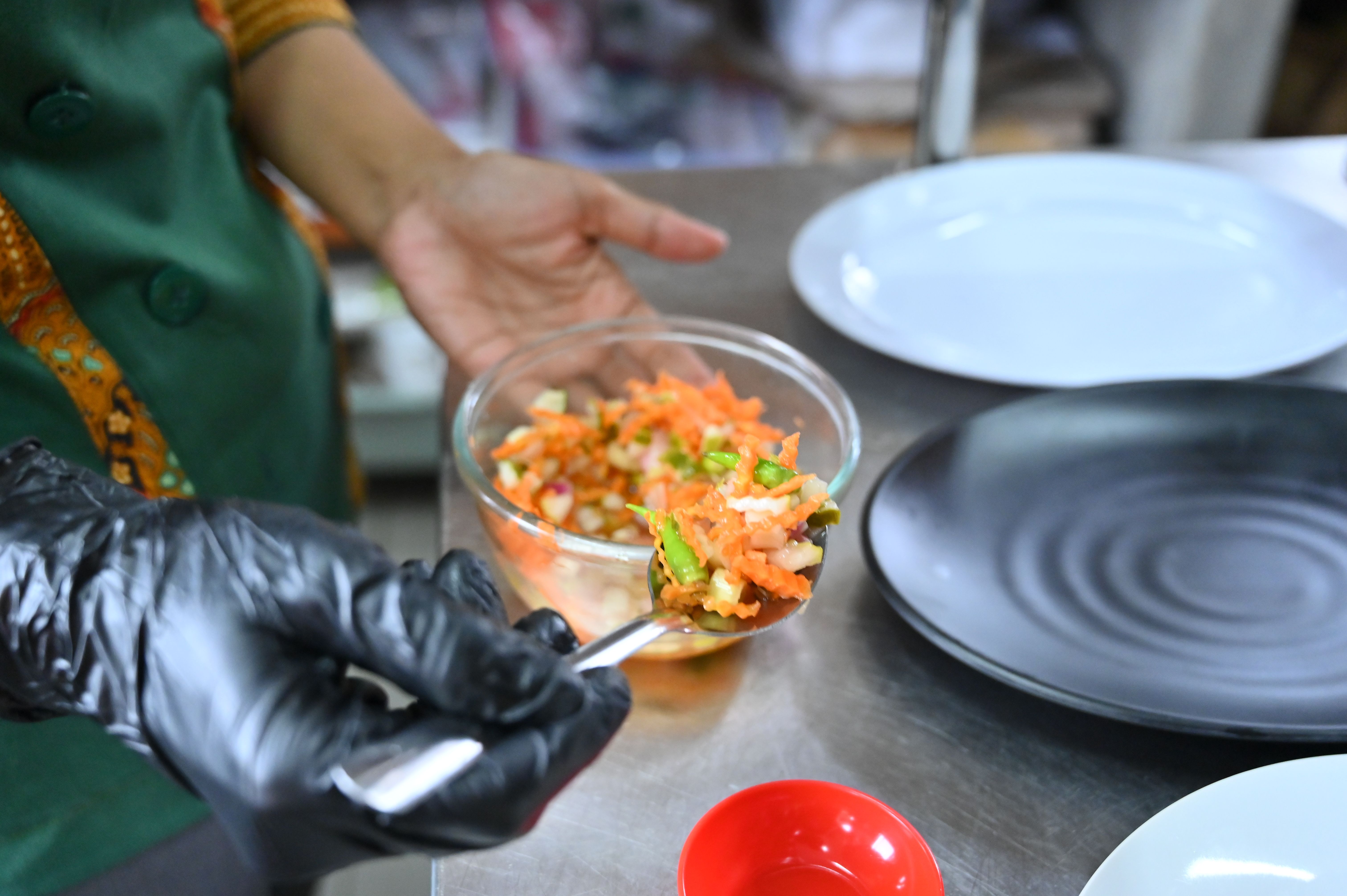
Continuous education is encouraged, with many establishments offering refresher courses and workshops. This ongoing learning helps employees stay updated on best practices and new regulations, ensuring a consistently safe dining experience for customers.
Implementing Safe Food Practices
Implementing safe food practices involves a series of steps that begin with sourcing quality ingredients. Suppliers must be vetted for their adherence to safety standards, ensuring that only fresh and uncontaminated products enter the supply chain.
- Regular cleaning of kitchen surfaces and equipment.
- Proper food storage at appropriate temperatures.
- Safe cooking techniques to eliminate pathogens.
- Effective waste management to prevent pest infestations.

Leveraging Technology for Food Safety
Technology plays a significant role in enhancing food safety in São Paulo. From digital temperature monitors to food traceability systems, technological advancements help ensure compliance and efficiency. These tools enable real-time monitoring and swift responses to potential safety breaches.
Restaurants and food establishments are increasingly adopting these innovations to streamline their operations and offer safer dining experiences. By leveraging technology, they can maintain rigorous standards while also improving operational efficiency.
Community Awareness and Education
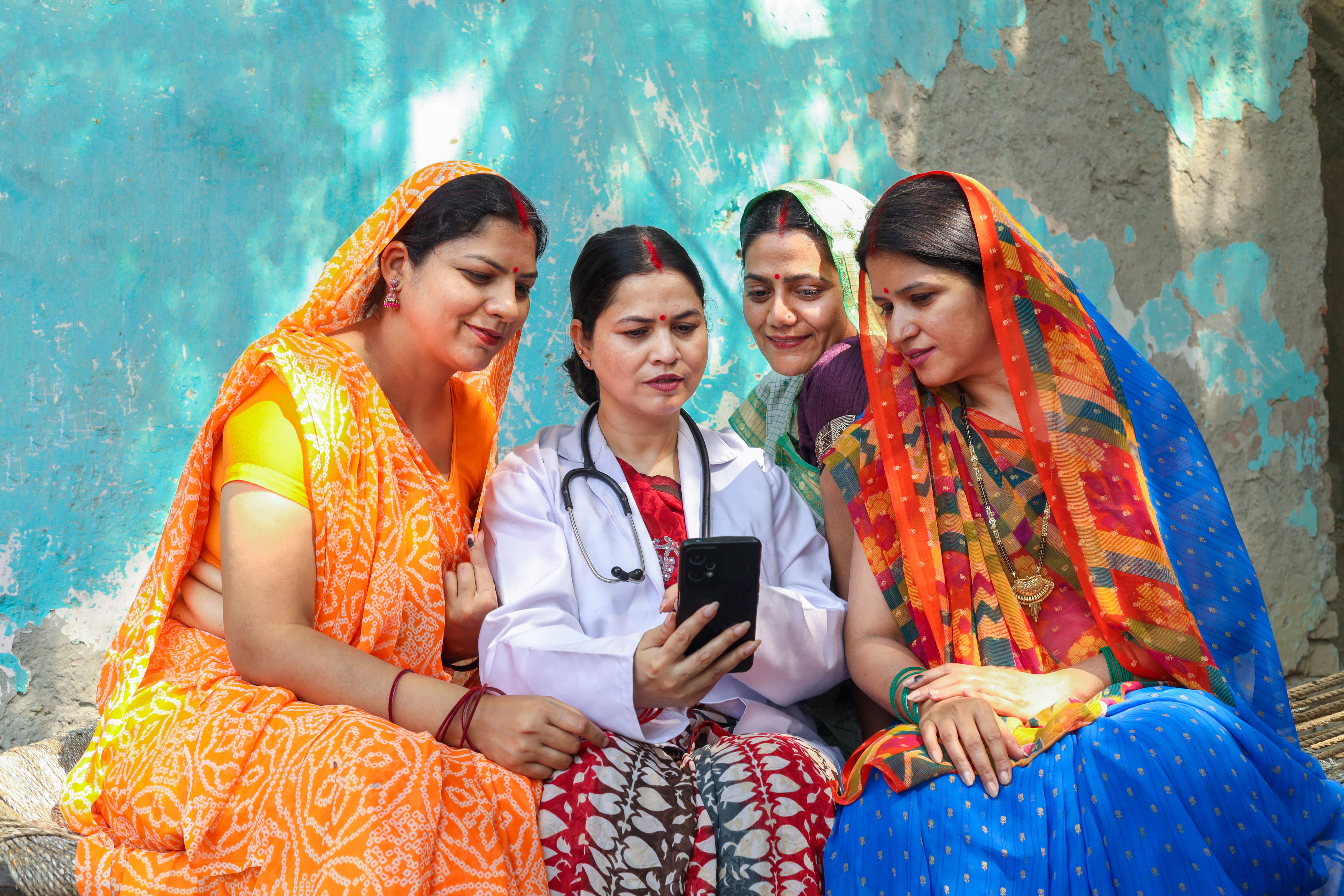
Community involvement is key to enhancing food safety. Public awareness campaigns and educational programs help inform consumers about the importance of food hygiene. In São Paulo, these initiatives are often spearheaded by local health departments and food safety organizations.
By fostering a culture of safety, these efforts empower consumers to make informed choices and advocate for high standards in the food industry. This communal approach contributes to a healthier and safer food environment for everyone in the city.
Conclusion
Achieving food safety expertise in São Paulo requires a comprehensive approach that encompasses hygiene, training, technology, and community involvement. By understanding and implementing these key elements, food establishments can ensure the health and satisfaction of their customers, contributing to São Paulo's reputation as a culinary capital. Whether you're a food handler, a restaurant owner, or a consumer, staying informed and vigilant about food safety can make all the difference.