
Revolutionizing Food Business with Forensic Analysis
Introduction to Forensic Analysis in the Food Industry
In recent years, the food industry has witnessed a groundbreaking shift with the integration of forensic analysis techniques. Originally associated with criminal investigations, forensic analysis is now playing a pivotal role in ensuring food safety, authenticity, and quality. This innovative approach is rapidly becoming indispensable for food businesses aiming to enhance trust and transparency with consumers.

Ensuring Food Safety
Food safety is a paramount concern for both consumers and producers. Forensic analysis helps in identifying contaminants and pathogens that might be present in food products. By utilizing advanced techniques such as DNA sequencing and chemical fingerprinting, businesses can detect and trace harmful substances, ensuring that only safe products reach the market.
This proactive approach not only protects public health but also helps companies avoid costly recalls and reputational damage. Implementing forensic analysis can be a significant step in building a robust safety protocol.
Authenticating Food Products
With the rise of global trade, food fraud has become a pressing issue. Forensic analysis provides tools to authenticate food products and verify their origin. Techniques such as isotope analysis and spectroscopy are used to determine the geographical source and composition of food items. This ensures that consumers receive what they are promised, such as organic or geographically specific products.
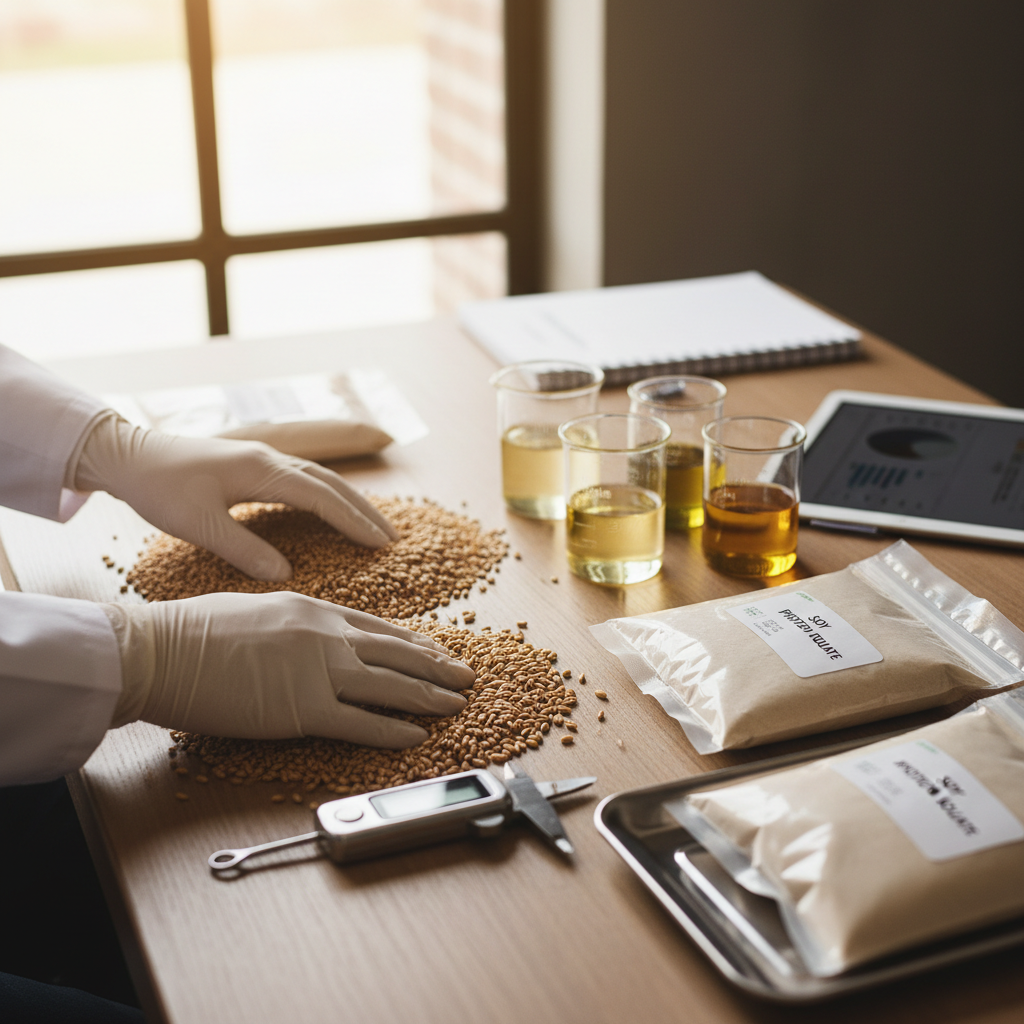
By guaranteeing authenticity, businesses can differentiate themselves in a competitive market, building stronger consumer trust and brand loyalty.
Improving Quality Control
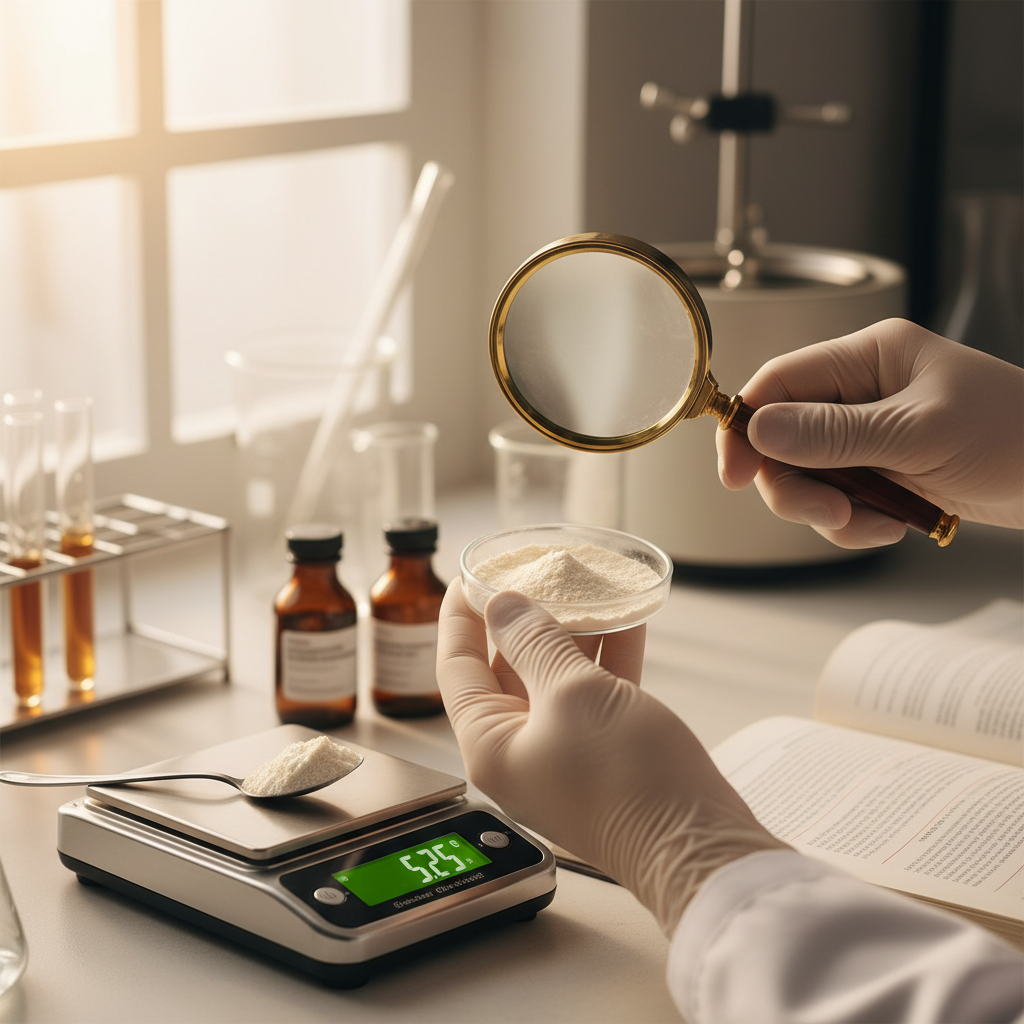
Forensic analysis also plays a crucial role in quality control processes. By assessing the molecular composition of food items, businesses can maintain consistent quality standards. This ensures that products not only meet regulatory requirements but also satisfy consumer expectations regarding taste, texture, and nutritional value.
Regular quality assessments using forensic techniques can lead to more efficient production processes and reduced waste, positively impacting both profitability and sustainability.
Implementing Forensic Analysis
For businesses looking to integrate forensic analysis, it is essential to partner with expert laboratories and invest in training for staff. Implementing these sophisticated techniques requires a clear strategy and commitment to ongoing research and development.
However, the benefits far outweigh the initial investment, as the resulting improvements in safety, authenticity, and quality can lead to increased consumer confidence and market share.
Conclusion
The integration of forensic analysis into the food business is a revolutionary step that promises to transform the industry. By enhancing safety, authenticity, and quality, businesses can not only meet regulatory demands but also exceed consumer expectations. As forensic techniques continue to evolve, their role in the food industry will undoubtedly expand, offering new opportunities for innovation and growth.