Navigating Local Food Safety Regulations in São Paulo
Understanding the Basics of Food Safety Regulations
São Paulo, a bustling metropolis known for its vibrant culinary scene, has a comprehensive set of food safety regulations designed to protect consumers. These regulations are essential for restaurants, food trucks, and any establishment dealing with food preparation and sales. Navigating these rules can be daunting, but understanding the basics is the first step.
Food safety regulations in São Paulo focus on hygiene, proper food handling, and storage practices. These regulations ensure that food establishments maintain high standards to prevent foodborne illnesses. For businesses, compliance is not just a legal requirement but also a way to build trust with customers.
Key Regulatory Bodies and Their Roles
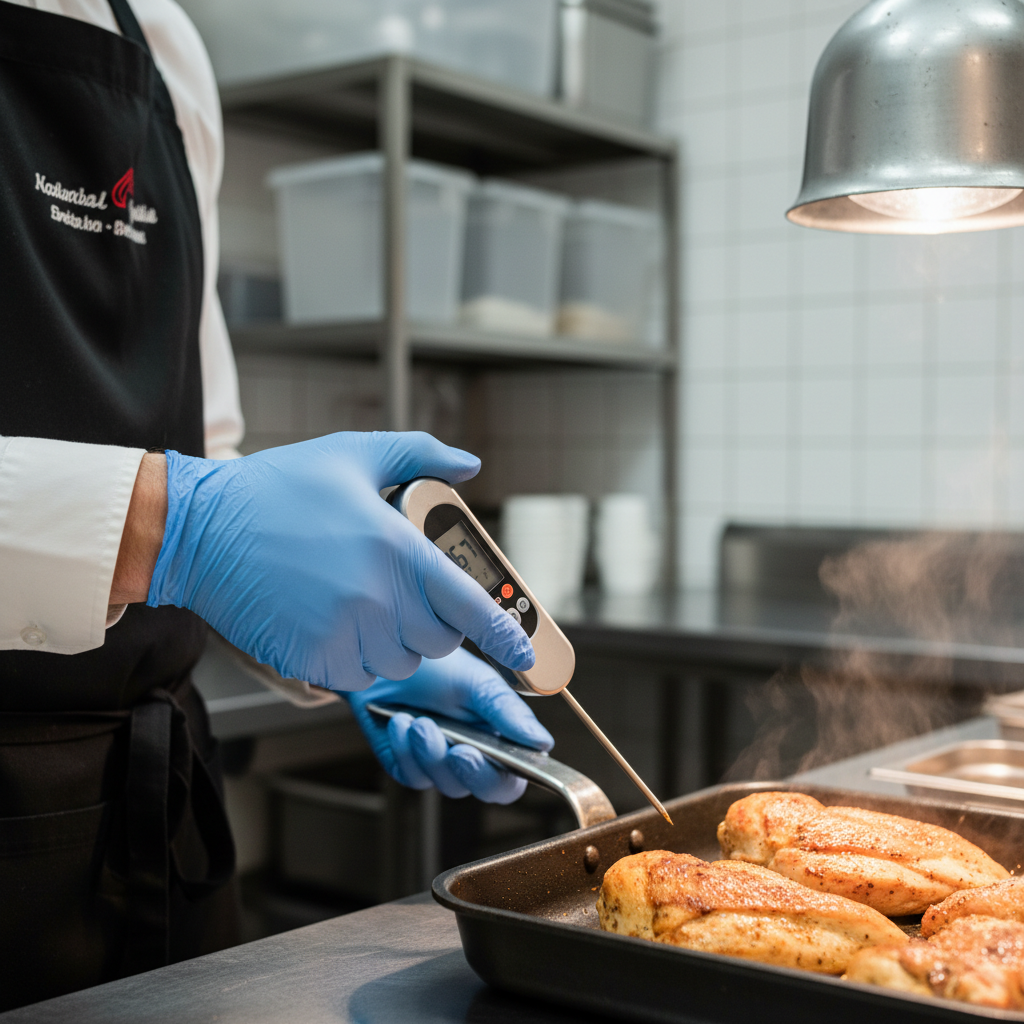
In São Paulo, several regulatory bodies oversee food safety. The most prominent is the Vigilância Sanitária, responsible for conducting inspections and ensuring compliance with health standards. They have the authority to issue fines and even close establishments that fail to meet the necessary criteria.
Another important entity is the Ministério da Agricultura, Pecuária e Abastecimento (MAPA), which regulates agricultural products and ensures that food items meet quality standards. Understanding the roles of these bodies can help businesses navigate the regulatory landscape more effectively.
Compliance and Inspections
Regular inspections are a crucial aspect of food safety compliance in São Paulo. These inspections evaluate various factors, including kitchen hygiene, food storage conditions, and employee practices. It's vital for businesses to prepare adequately for these inspections to avoid penalties.
Practical Tips for Compliance
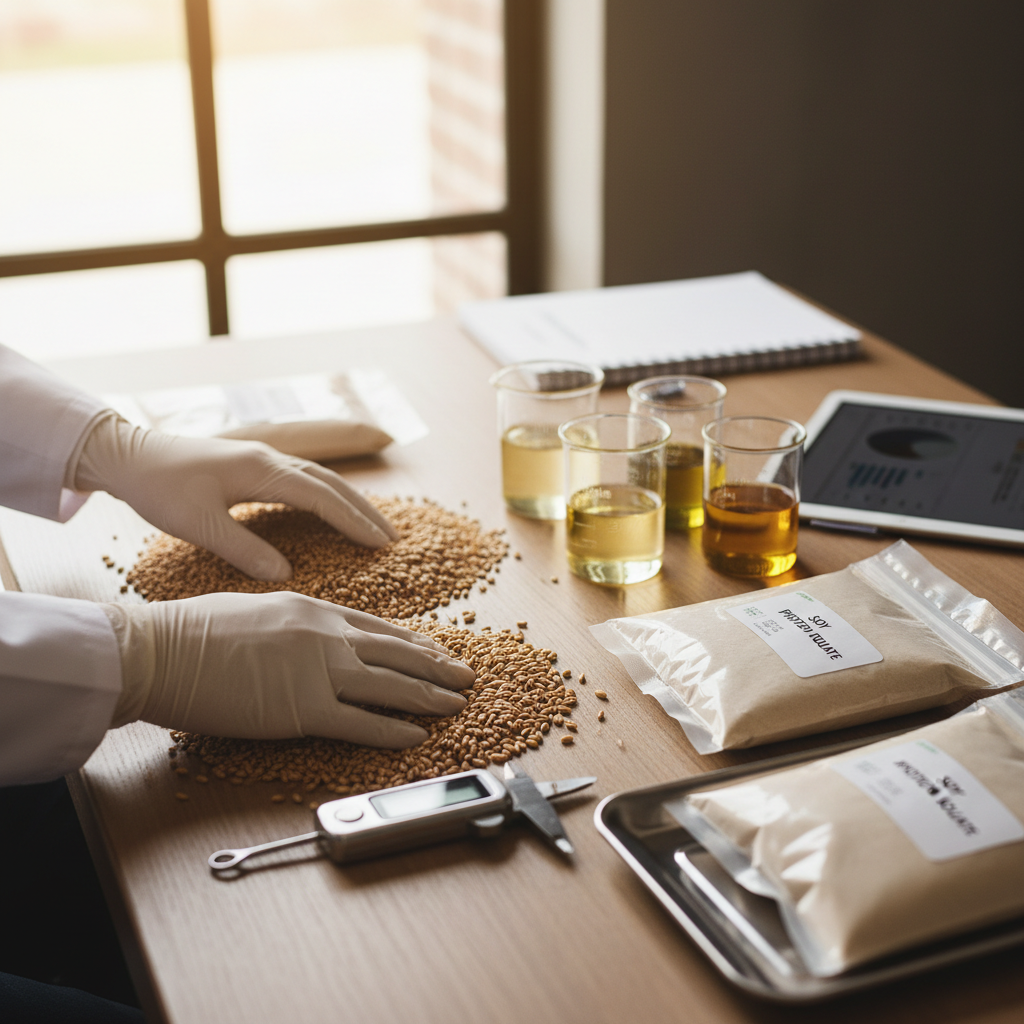
To ensure compliance with local food safety regulations, businesses should implement a few practical strategies. First, regular staff training on food safety practices can significantly reduce the risk of violations. Employees should be aware of proper hygiene, food handling, and storage techniques.
Additionally, maintaining detailed records of food sourcing, storage temperatures, and cleaning schedules can be beneficial. These records not only help during inspections but also ensure ongoing adherence to safety standards.
Leveraging Technology
Technology can be a valuable tool in ensuring food safety compliance. Many businesses are now using digital platforms to monitor food storage conditions and track inventory. These systems can provide real-time alerts if temperatures deviate from safe ranges, allowing for quick corrective action.

Challenges and Solutions
While adhering to food safety regulations is crucial, businesses often face challenges such as language barriers or lack of resources. To overcome these, partnering with local consultants who specialize in food safety can be beneficial. These experts can provide guidance tailored to the unique requirements of São Paulo's regulatory environment.
Another solution is to engage with industry associations that offer resources and support for compliance. These organizations often provide workshops, training sessions, and updates on any regulatory changes.
Conclusion
Navigating local food safety regulations in São Paulo is a multifaceted process, requiring a clear understanding of the rules and proactive measures to ensure compliance. By staying informed and leveraging available resources, businesses can not only meet regulatory requirements but also foster a safe and trustworthy environment for their customers.