Judicial Expertise in the German Meat Industry
Understanding Judicial Expertise in the German Meat Industry
The German meat industry, a cornerstone of the country's economy, is subject to a complex array of regulations and legal standards. Ensuring compliance requires a deep understanding of both national and European Union laws. Judicial expertise plays a critical role in navigating this intricate landscape, safeguarding the rights of workers, consumers, and businesses alike.
The Role of Judicial Expertise
Judicial experts are pivotal in interpreting and applying laws related to food safety, labor rights, and trade standards in the meat industry. Their insights help resolve disputes, ensure fair practices, and maintain industry integrity. These experts often come from legal backgrounds, equipped with specialized knowledge of agricultural and food law.
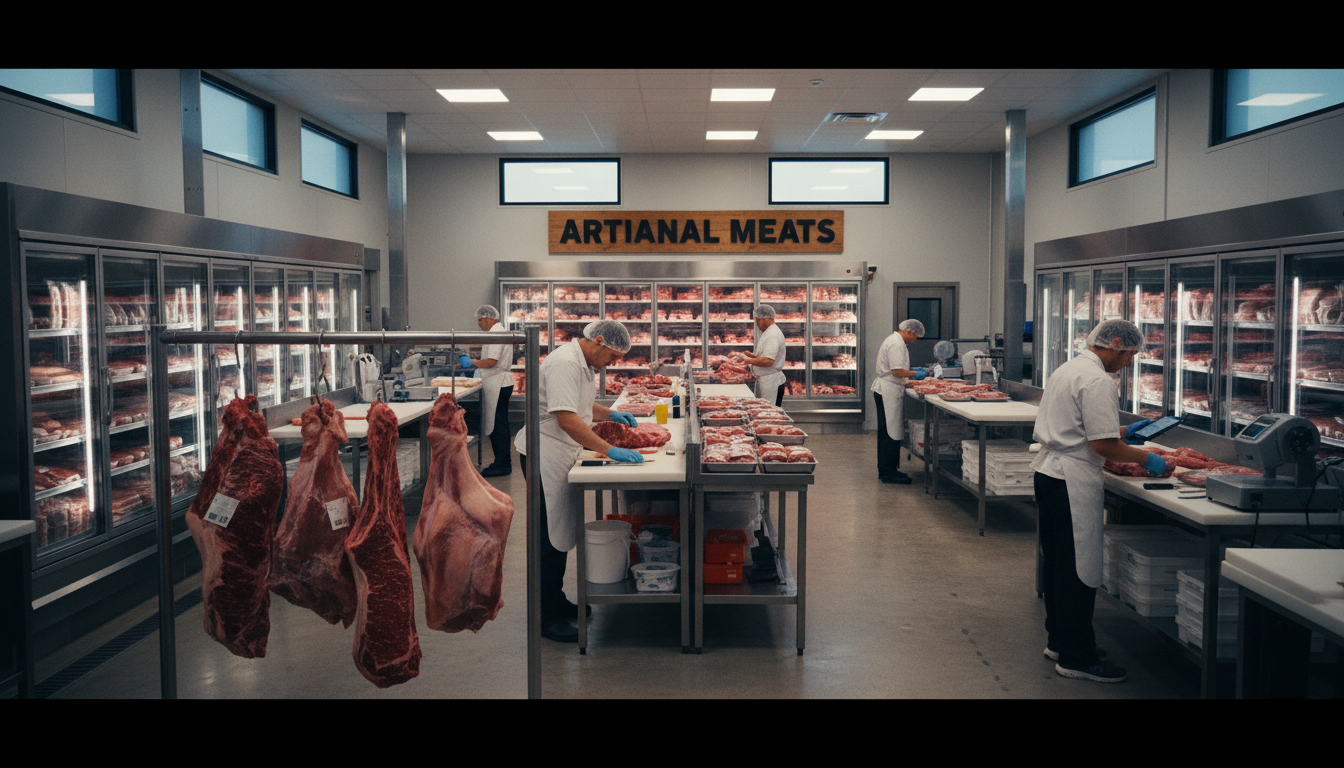
One of their primary responsibilities is to assess whether meat producers and processors comply with regulations. This involves scrutinizing health and safety protocols, animal welfare standards, and environmental impact measures. Their findings can influence policy changes and shape industry practices.
Challenges in Regulation Compliance
Compliance with the stringent regulations of the German meat industry is a significant challenge. Judicial experts must navigate a landscape marked by continuous legislative updates and varying interpretations of laws. This complexity is compounded by the need to align national regulations with EU directives, which can sometimes lead to conflicts.

Additionally, the industry faces scrutiny over labor practices, particularly concerning migrant workers. Ensuring fair wages and working conditions is crucial, and judicial expertise is instrumental in safeguarding these rights. Experts provide vital guidance in interpreting labor laws, ensuring that companies adhere to ethical standards.
Impact of European Union Regulations
The European Union significantly influences the legal framework governing the German meat industry. EU regulations often set the baseline for safety and quality standards, which national laws must meet or exceed. Judicial expertise ensures these standards are appropriately implemented, fostering a harmonized market environment.
Moreover, experts play a crucial role in mediating between national and EU regulations, helping resolve disputes that arise from differing legal interpretations. This mediation is essential in maintaining smooth trade relations within the EU.

Future Trends and Developments
As the industry evolves, so too does the role of judicial expertise. Emerging trends such as sustainable practices and technological advancements in production require updated legal interpretations. Experts are increasingly involved in shaping regulations that address these innovations, ensuring they align with existing laws while fostering industry growth.
Furthermore, the growing consumer demand for transparency and ethical sourcing is pushing legal experts to focus more on compliance and accountability. Their expertise is crucial in setting benchmarks that promote trust and integrity within the industry.
Conclusion
Judicial expertise is indispensable to the German meat industry, providing the necessary legal framework to navigate complex regulations and promote fair practices. As the industry continues to evolve, the role of these experts will be pivotal in ensuring legal compliance, fostering innovation, and upholding ethical standards.